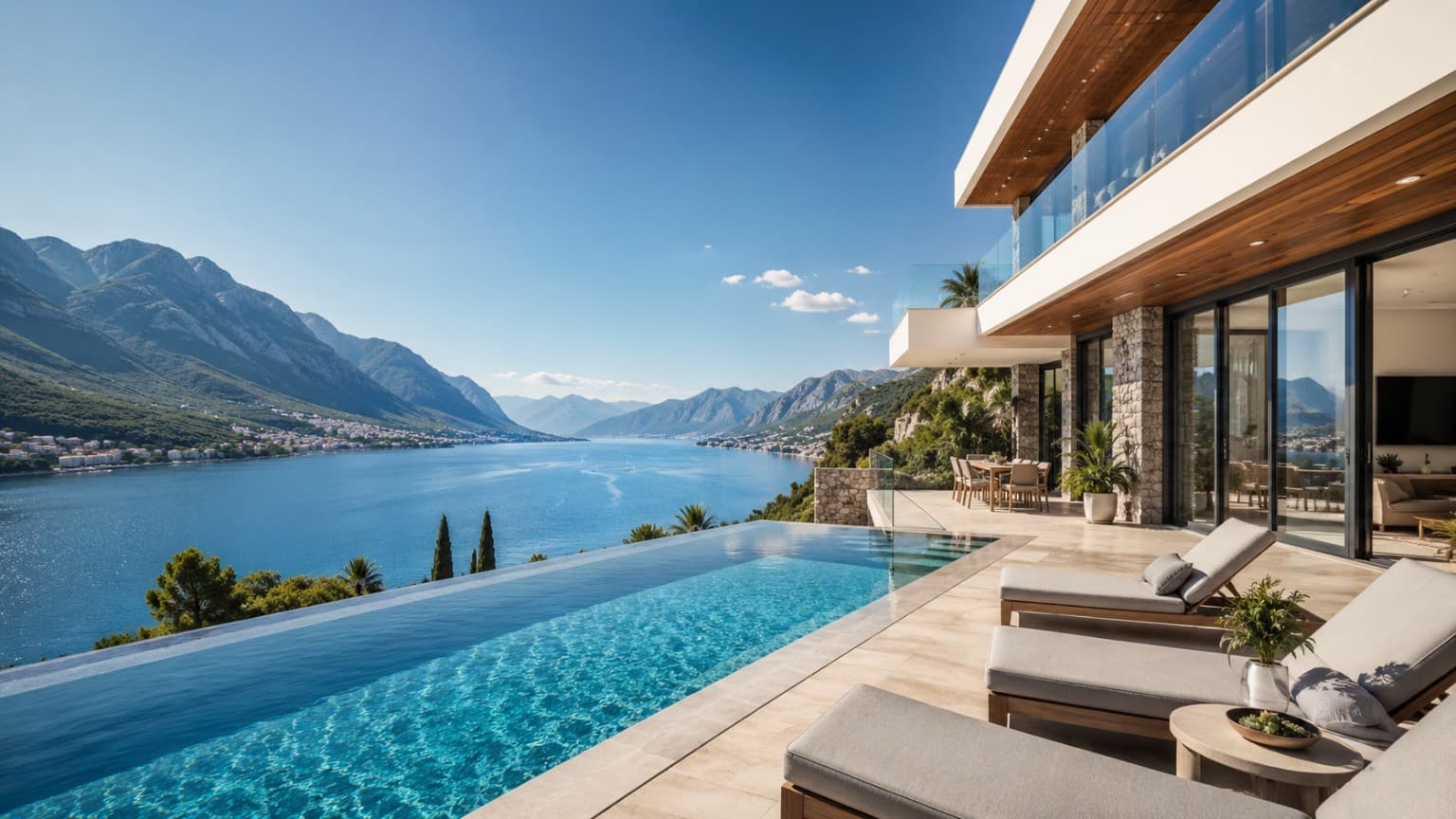
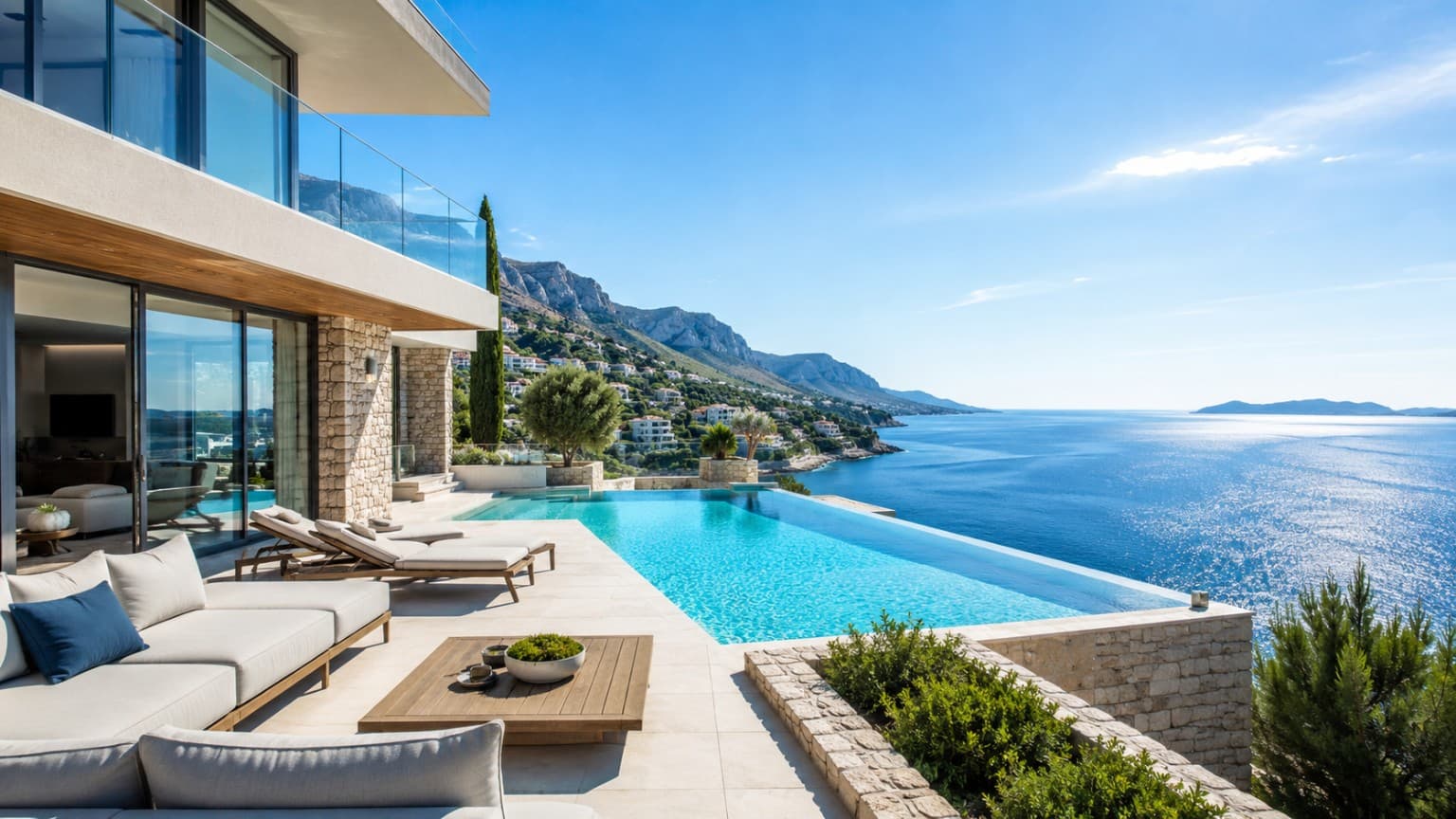
Istria
A northern Adriatic region with good accessibility, coastal towns, inland villages, villas and apartments. Buyers should compare exact location, pricing, documentation, maintenance and year-round practicality.
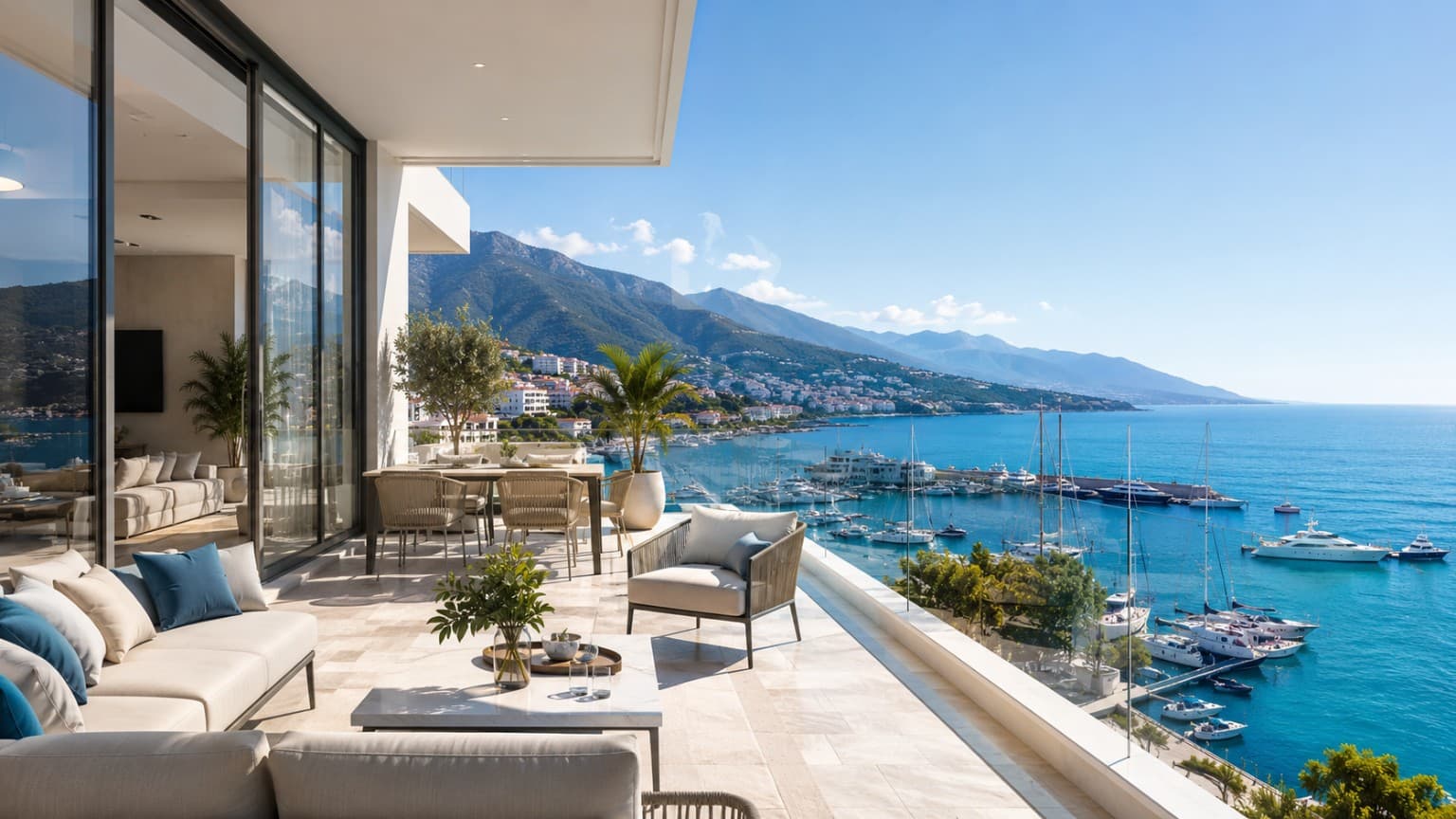
Regions in Croatia
Croatia region choice depends on buying goal, budget, property type and local checks. Istria, Dalmatia, Split, Dubrovnik, Zadar and the Croatian islands each ask different questions.
How to compare regions in Croatia
Croatia offers Adriatic coast, islands, historic cities, marinas, villages, villas, apartments, new build, building land and long-term lifestyle orientation. These settings are not interchangeable.
A buyer comparing a coastal apartment in Split or Zadar will ask different questions than someone considering an Istrian villa, Dubrovnik heritage property, Dalmatian coastal home or island plot.
Regional comparison should include ownership, cadastre, permits, heritage rules, building quality, rental rules, tax position, service charges, access, seasonality, management and local documentation before any purchase decision.
Regional nuance
This page is general orientation only. It does not provide legal, tax, technical or financial advice and does not guarantee availability, rental income, resale value or purchase outcome. Local specialists should review ownership, documentation, permits, heritage rules, tax position, rental rules and property quality.
Regional orientation
A northern Adriatic region with good accessibility, coastal towns, inland villages, villas and apartments. Buyers should compare exact location, pricing, documentation, maintenance and year-round practicality.
A long coastline with islands, historic towns, marinas and lifestyle appeal. Local differences are significant, so access, seasonality, ownership, management and rules need careful review.
A city-and-coast orientation with airport access, services, apartments, selected villas and long-term lifestyle potential. Building quality, service costs and local restrictions remain important.
A historic and premium coastal setting with strong tourism profile. Heritage rules, pricing, maintenance, access, rental rules and documentation deserve extra attention.
A coastal city with islands, marinas, airport access and second-home appeal. It can feel more balanced than some better-known hotspots, but local checks still decide suitability.
Lifestyle, privacy, sea views and holiday use can be attractive, while ferry access, utilities, seasonality, management and resale context need sober assessment.
Region by buying goal
Istria, Zadar, Split, Dalmatia and selected islands may each suit different second-home profiles depending on access, management and seasonality.
City/coast combinations and regions with year-round services can be more practical than purely seasonal or remote island settings.
Split, Zadar, larger coastal towns and selected island locations may be relevant, with service costs, building quality and management checked locally.
Istria, Dalmatia, Dubrovnik region, Zadar surroundings and island settings can appeal, but privacy, access, land, permits and maintenance matter.
Coastal projects and modern apartments or villas may fit some buyers, while developer, permits, payment stages, delivery and documentation remain key.
A longer-term route where zoning, buildability, coastal restrictions, utilities, access and permits must be reviewed by local specialists.
Related Croatia pages
How BSP helps
BSP helps buyers compare Croatian regions, define buying goals, align property type with lifestyle and investment orientation, and identify which local checks should be arranged before moving further.
BSP provides orientation and structure only. Local legal, tax, cadastral, technical, insurance and property specialists remain necessary before decisions.
Next step
FAQ
There is no single best region. The right area depends on buying goal, budget, property type, access, seasonality, ownership, permits, tax position, management and local documentation.
Istria can be relevant for northern Adriatic access, coastal towns, villages, villas and apartments, but exact location, pricing, documentation and building quality must be checked locally.
Split offers a stronger city/coast profile and major access points, while Zadar can offer a calmer coastal base with islands and services. Suitability remains property-specific.
Dubrovnik can have a premium historic and tourism profile, but price level, heritage context, maintenance, access, rental rules and documentation need careful local review.
They can be attractive for lifestyle, privacy and sea views, but ferry access, utilities, healthcare, management, seasonality and resale context need extra attention.
No. BSP does not guarantee income, resale value, availability or outcomes. Rental rules, demand, costs, tax position and management must be checked locally.